

DHARAMSHALA: Few cricket venues anywhere in the world feel as surreal and breathtaking as Dharamshala. The noise fades, the air grows lighter, and the mountains emerge from unexpected angles, transforming the game from an industrial grind into something more primal and pure.
With the Dhauladhar range serving as a painted backdrop behind the sightscreen, Punjab Kings will hope that a change in altitude can also reverse their fortunes when they face Delhi Capitals at the HPCA Stadium on Monday.
Few stadiums in world cricket can pull your attention away from the action the way Dharamshala does. Set among cedar-covered slopes and drifting clouds that almost brush the floodlights, the ground offers a serene escape. Evening matches here carry a coolness even in May. This week, the weather has been unusually heavy, with lingering afternoon mist and a breeze more fitting for late autumn than peak IPL season. Rain is also predicted.
Yet, Dharamshala rarely fails to deliver entertainment. The pitch enjoys a strong reputation among players: it offers pace, carry, and enough seam movement to keep fast bowlers interested. However, boundaries are invitingly short, the outfield is quick, and once the ball stops moving, strokeplay flows freely. IPL matches here have often turned into high-scoring affairs. Punjab Kings themselves smashed 236 for 5 against Lucknow Super Giants at this venue last season—a reminder that even mountain air cannot contain modern T20 hitting.
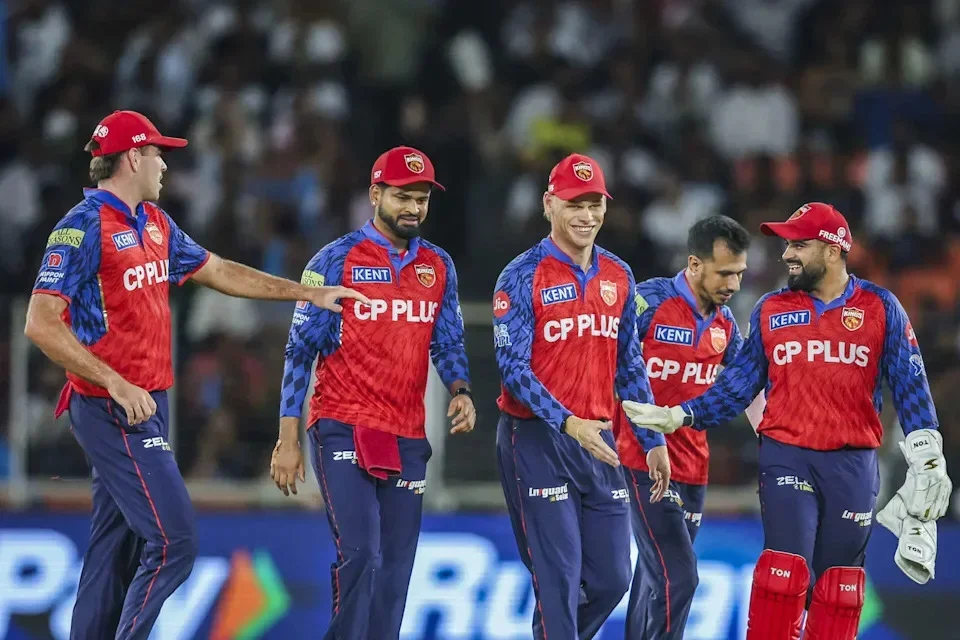
Punjab Kings arrive needing that same freedom. Not long ago, they looked like the most complete side in the competition. Six wins in their first seven matches created the impression of a team finally comfortable in its own skin. Then came the slide. Consecutive defeats to Rajasthan Royals, Gujarat Titans, and Sunrisers Hyderabad have exposed small cracks that suddenly appear much larger when losses pile up.
The timing should worry them more than the defeats themselves. Momentum in T20 cricket can vanish faster than the sun behind the Dhauladhar peaks, and Punjab have lost theirs just before the business end of the tournament. Their catching in the previous game against Hyderabad was sloppy enough to change the match’s course. Arshdeep Singh and the seam attack have leaked runs at uncomfortable moments. Most significantly, the opening partnerships between Priyansh Arya and Prabhsimran Singh have faltered after carrying Punjab through the first half of the season.
Through it all, Shreyas Iyer has remained the calmest figure in the dressing room. His batting has held its shape, and Punjab will need that composure over the next week. Their remaining three home games—against Delhi Capitals, Mumbai Indians, and Royal Challengers Bengaluru—could decide whether this season becomes another near-miss or something more lasting.
If Punjab are anxious, Delhi Capitals look exhausted. Five defeats in their last six matches have dragged them toward the bottom half of the table and revived familiar questions. Their batting has grown increasingly uncertain, unable to force the tempo once early wickets fall. Kuldeep Yadav’s unusually quiet season has removed one of their key middle-overs weapons, while the fielding has been untidy and occasionally careless. Even Mitchell Starc’s return carries a strange feeling of lateness, as if Delhi are trying to rediscover themselves when the tournament has already moved on. Mathematically, they remain alive. Realistically, they need near-perfection from their own performances and a series of favorable results from other matches.
Perhaps that is why Dharamshala comes at the right moment for both teams. For Punjab Kings, it offers a chance to reset. For Delhi Capitals, it provides an escape.
